

Have you ever searched for information about finding a new job?
If you have, you’ll have seen that there are loads of posts around sending your application, attending interviews.
But I haven’t seen one around the technology that is useful when you are searching for that new job.
Hardware
It doesn’t really matter what computer you use, it’s just important that you have something.
Desktop
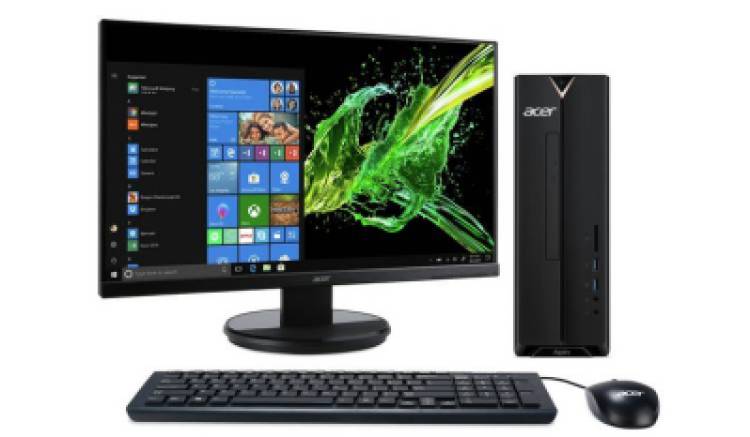
Probably one of the most useful options.
You need something to create your fantastic CV/Resume with.
Can do basically everything that you will need. Doesn’t matter if it’s a Windows or Mac – whatever you prefer.
Note: invest in a web camera for those interviews you’ll be attending.
Laptop
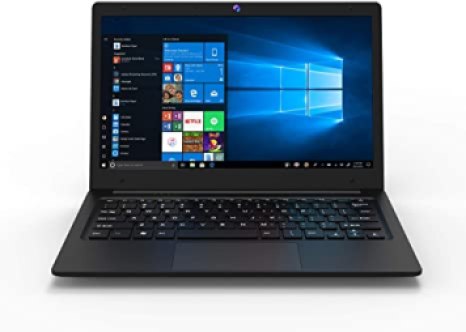
An alternative to a desktop. Great if you have limited space as it can be moved around and setup where needed.
Not only has it got the keyboard and mouse (trackpad), but most laptops also have webcams built-in.
Tablet

Will do as well as a desktop/laptop, has a built-in camera, you can write your CV and there are apps for most things that are useful and a web browser for everything else.
Depending on your skill/experience, you might find it difficult to type a lot of text (e.g. CV) on the touchscreen.
Note: You can get external keyboard that can connect via bluetooth.
Phone

Great for interviews with the built-in camera, you can write things on it but just not as convenient due to the smaller screen size. However like a tablet it has apps and a web browser for everything else.
Internet

Although not technically hardware, it’s become essential to have when job searching.
We generally have something in our home that allows you to connect to the internet. Find the best value for your budget – from local WIFI providers to phone data.
Accessories
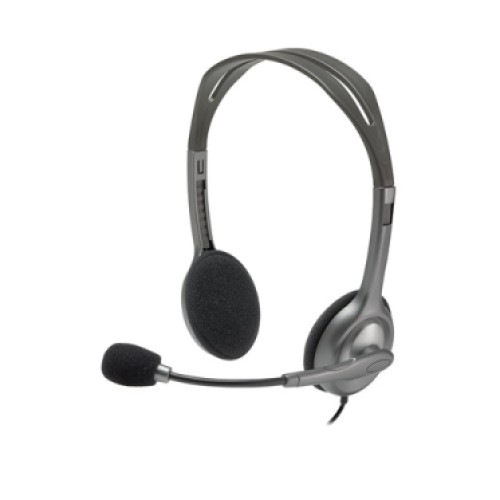
Headset
These are the speakers and mic, rather than headphones.
They will ensure that you come across clearly and can block out some additional background noise. Find one that will connect to the device that you have – USB for Desktop and Laptops, 35mm connection for Tablet and Phone (or the specific connection for your phone).
Alternative – is to have a pair of headphones (just the speaker) so that you can clearly hear what you’re being asked, and using your devices built-in mic. Just make sure that you’re in a quiet area to minimise background sounds.
Webcam
If you have a desktop, then you will need an external webcam for the 2-way video calls that many agencies and companies are using for first interviews.
Applications
Email Account

Yes this is obvious, but what is your email address? Do you have one that sounds professional enough (e.g. your name)? You can create free accounts from many different places – Microsoft and Google are still popular options.
Word processor
MS Word is the most popular option – did you know that you can use the (cut-down) online version for free with a Microsoft 365 account (create one at Office.com). There’s also Google Docs – another free account option.

One of the most useful networking platforms around. Create a free (personal) account at LinkedIn. Complete the required information – as much as possible it should match your CV. Keep it up to date!
Connect to people you know (great starting point) and then connect or follow people who interest, inspire and help.
For job help I suggest:
- JT O’Donnell (https://www.linkedin.com/in/jtodonnell/)
- Recruitment Agencies that you are connected to
- Follow companies that you would like to work for
For making your LinkedIn profile the best:
- Sherry Bevan (https://www.linkedin.com/in/sherrybevan/)
- Lincoln Coutts (https://www.linkedin.com/in/lincolncoutts/)
Tip: If you want to connect to someone let them know why in a customised message.
Suggestion: LinkedIn is as much about sharing information as finding. If you see a post that it interesting, share it with your network.
Web Browser

While this may seem obvious, it’s important that you have a current browser – this is now becoming Google Chrome. Or Mozilla FireFox, MS Edge, Safari (for Mac).
Note: Microsoft Internet Explorer (IE) is now the least likely to be supported by websites and applications.
Video Communication
Companies and agencies alike are now using video for interviews – often for a first interview.
A key thing to be aware of, is that you don’t need to have an account with these programs to receive an invite (via email) and join.
Zoom

This is now one of the most popular programs for meetings and therefore interviews – and as I mentioned, you don’t need to have an account to join a call or meeting.
You may need to download software to join the meeting, or you can join using a web browser.
Note: Also leave time before the scheduled start, to join the meeting and download any software required.
If you want the full program or to start your own meetings then you can create a free Zoom account (Zoom.com).
Note: The free account has some limitations. For groups (3+ people) it has a limit of 40 minutes, if it’s just 2 people (you and one person) then there isn’t a limit.
MS Teams

Another one that you don’t need an account to accept an invitation for – you can join from your web browser.
You can guess from the name that this is designed for communication between multiple people, and is Microsoft’s successor to Skype for Business.
If you want to create an account you can from the website MS Team.
Skype
If you would like to be able to start a call, then Skype is easy to use and will give you an alternative/back-up option to attend video interviews.
You can create a free account (if you haven’t already got one) at Skype.com.
Not Needed
Skype for Business
As the name suggests it’s for business and only available with a Microsoft business license.
Slack
Yet another free account (Slack.com) like Teams, this is about keeping in contact with friends, family or colleagues
An interesting skill to have, but is won’t help in your job search.
Not the ending, but a start for you
I hope that this is useful and that you’ll find your next job very soon.
These are the main things that I could think of, but what did I miss?
What would you add to this list? Please share them in the comments.
This blog was originally posted by MitshK, and has been updated for this post.
Don’t forget to get your 15 Top Productivity Tips for Microsoft 365 covering Word, Excel, PowerPoint, Outlook and OneDrive.
Latest Blogs
- Copilot Custom Instructions: Say It Once, Get Better Answers
 If you keep typing the same things into Copilot every time (make it shorter, make it friendly, use UK spelling), there’s a setting that does it for you. It’s called Copilot custom instructions. You save details about yourself and how you like responses written, and Copilot applies them to every new chat. It takes about… Read more: Copilot Custom Instructions: Say It Once, Get Better Answers
 - What’s Actually in Your Microsoft 365 App Launcher?
 Open your Microsoft 365 app launcher and you’ll find more than 20 apps staring back at you. You’ll only use a small handful of them regularly. The rest fall into “useful sometimes” or “you’ll probably never touch this” territory. This post has Microsoft 365 apps explained in plain English. Each one is grouped by how… Read more: What’s Actually in Your Microsoft 365 App Launcher?
 - The OneNote Feature I Rely On More Than Any Other
 If you’ve ever typed a search word into OneNote, you’ll know the feeling. Every relevant note appears, no matter which notebook it was buried in. That’s why so many people ask how to search across notebooks in OneNote in the first place. Being able to search across notebooks in OneNote is, for me, the single… Read more: The OneNote Feature I Rely On More Than Any Other
 - OneNote Templates, Your New Time-Saver
 Ever find yourself recreating the same layout every time you start a new page in OneNote? OneNote templates solve exactly that problem — they let you save a page’s look and content once, then reuse it whenever you need it, whether that’s for meeting notes, a to-do list, or your own custom format. Once you… Read more: OneNote Templates, Your New Time-Saver
 - OneNote Meeting Notes Made Ridiculously Simple
 I used to think setting up OneNote meeting notes had to involve some typing before the useful part could even begin – the subject, the date, who was on the call. Turns out I was making it far harder than it needed to be. There’s one command that fills all of that in for you,… Read more: OneNote Meeting Notes Made Ridiculously Simple